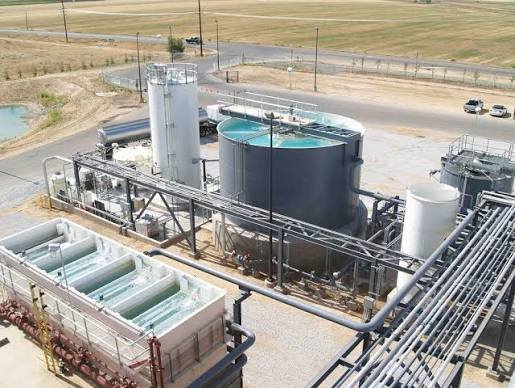
What is ZLD System? Complete Guide to Zero Liquid Discharge Plants
A Zero Liquid Discharge (ZLD) system is an advanced wastewater treatment solution designed to recover and reuse water while minimizing or eliminating liquid waste discharge. It uses technologies such as RO, evaporators, crystallizers, and advanced filtration to separate clean water from dissolved salts and contaminants, helping industries improve water recovery, reduce wastewater discharge, and support sustainable operations.
Home / Blogs / What is ZLD System? Complete Guide to Zero Liquid Discharge Plants
A Zero Liquid Discharge (ZLD) system is an advanced wastewater treatment solution designed to treat industrial wastewater and recover the maximum possible amount of water for reuse. The main goal of a ZLD plant is to minimize or completely eliminate liquid waste discharge from industrial processes.
ZLD systems use a combination of advanced technologies such as Reverse Osmosis (RO), evaporators, crystallizers, and filtration systems to separate clean water from dissolved salts, contaminants, and other impurities. The recovered water can often be reused within the industrial process, while the remaining concentrated waste is converted into solid or semi-solid form for appropriate handling and disposal.
By improving water recovery and reducing wastewater discharge, ZLD systems help industries conserve water, meet environmental requirements, and support more sustainable and efficient operations.
- What is a ZLD System?
- Why is Zero Liquid Discharge Important for Industries?
- How Does a ZLD System Work?
- Zero Liquid Discharge (ZLD) Treatment Process
- Advanced Technologies Used in ZLD Plants
- Benefits and Applications of Zero Liquid Discharge Systems
- FAQs About ZLD Systems and Zero Liquid Discharge Plants
Quick Fact
A Zero Liquid Discharge (ZLD) system can recover a significant amount of wastewater for reuse, helping industries reduce freshwater consumption and minimize liquid waste discharge.
1. What is a ZLD System?
A Zero Liquid Discharge (ZLD) system is an advanced industrial wastewater treatment solution designed to recover and reuse as much water as possible while minimizing or completely eliminating liquid waste discharge. Instead of releasing treated wastewater outside the facility, a ZLD plant processes the wastewater to separate reusable water from dissolved salts, chemicals, and other contaminants.
The main objective of a ZLD system is to achieve maximum water recovery and convert the remaining wastewater into concentrated brine and solid waste. The recovered water can often be reused in industrial processes, cooling systems, washing, utility applications, or other suitable purposes. The concentrated waste is further treated through thermal processes such as evaporation and crystallization to separate water from salts and solids.
ZLD systems are especially valuable for industries that generate large volumes of wastewater or operate in water-scarce regions. They support sustainable water management by reducing freshwater consumption, increasing water reuse, and minimizing the environmental impact of industrial wastewater discharge.
2. Why is Zero Liquid Discharge Important for Industries?
Industries use significant amounts of water for manufacturing, cooling, cleaning, processing, and other operations. These activities can generate wastewater containing dissolved salts, chemicals, heavy contaminants, and other pollutants. Discharging this wastewater without proper treatment can create serious environmental and operational challenges.
A ZLD system helps industries reduce or eliminate liquid wastewater discharge by recovering water for reuse. This can reduce dependence on fresh water sources and improve overall water efficiency. For industries facing strict wastewater discharge requirements, ZLD can provide a more controlled and sustainable approach to wastewater management.
ZLD is also important because water availability is becoming a major concern for many industrial sectors. By recycling and reusing treated wastewater, industries can improve long-term water security and reduce the pressure on natural water resources.
In addition, ZLD systems help organizations move toward sustainability goals by reducing wastewater discharge and promoting resource recovery. Depending on the wastewater characteristics and plant design, valuable salts or other materials may also be recovered from the concentrated waste stream.
3. How Does a ZLD System Work?
A ZLD system works through multiple treatment stages because industrial wastewater can contain different types and concentrations of contaminants. The exact process depends on the wastewater characteristics, required water recovery, industry type, and final disposal requirements.
The process generally begins with pre-treatment, where suspended solids, oil, grease, hardness, organic matter, and other contaminants are reduced. This stage helps protect downstream equipment and improves the efficiency of advanced treatment systems.
After pre-treatment, membrane technologies such as Reverse Osmosis (RO) may be used to recover a large portion of the water. RO separates relatively clean water from dissolved salts and contaminants. However, the concentrated reject stream still contains a high concentration of dissolved solids.
This concentrated wastewater is then sent to a thermal treatment system, such as a brine concentrator or evaporator. Heat is used to evaporate water from the concentrate, and the condensed water can be collected and reused.
The remaining highly concentrated slurry is processed through a crystallizer or similar solid separation system. This stage converts dissolved salts and other remaining materials into solid or semi-solid waste. The final result is maximum water recovery with little or no liquid waste remaining for discharge.
4. Zero Liquid Discharge (ZLD) Treatment Process
The ZLD treatment process generally follows a step-by-step approach to maximize water recovery and manage the remaining waste effectively.
Step 1: Wastewater Collection and Equalization
Industrial wastewater from different processes is collected and transferred to an equalization tank. This helps balance variations in wastewater flow, concentration, and quality before further treatment.
Step 2: Pre-Treatment
The wastewater is treated to remove suspended solids, oil, grease, hardness, and other contaminants. Depending on the wastewater, this stage may include clarification, coagulation, flocculation, filtration, softening, biological treatment, or chemical treatment.
Step 3: Membrane-Based Treatment
Advanced membrane systems such as UF, NF, or RO may be used to remove fine particles and dissolved contaminants. A significant portion of clean water can be recovered at this stage for reuse.
Step 4: Concentrate or Brine Management
The reject stream from the membrane system contains a high concentration of dissolved salts and contaminants. This stream is further concentrated to reduce its volume before thermal treatment.
Step 5: Evaporation
An evaporator uses thermal energy to separate water from the concentrated brine. The evaporated water is condensed and recovered for reuse, while the remaining brine becomes even more concentrated.
Step 6: Crystallization
The highly concentrated stream is sent to a crystallizer, where remaining dissolved salts and solids are converted into crystals or solid material.
Step 7: Solid Waste Handling
The final solid waste is collected and managed according to its composition and applicable disposal or recovery requirements. Proper handling is important to ensure safe and responsible waste management.
Step 8: Reuse of Recovered Water
The recovered water is stored and reused for suitable industrial applications. This reduces freshwater demand and improves the overall water efficiency of the facility.
5. Advanced Technologies Used in ZLD Plants
Modern ZLD plants use a combination of physical, chemical, membrane, thermal, and automated technologies to achieve high water recovery.
Reverse Osmosis (RO)
RO is commonly used to recover water from treated wastewater. It separates relatively clean permeate water from a concentrated reject stream containing dissolved salts and contaminants.
Ultrafiltration (UF)
UF is often used as a pre-treatment technology to remove suspended solids, colloids, and other fine particles before RO. This helps protect membranes and improve overall system performance.
Nanofiltration (NF)
NF may be used to selectively remove specific dissolved contaminants and reduce the load on downstream treatment systems.
Mechanical Vapour Recompression (MVR)
MVR technology improves thermal efficiency by compressing and reusing vapour generated during the evaporation process. This can reduce energy consumption compared with some conventional evaporation methods.
Multiple Effect Evaporators (MEE)
Multiple Effect Evaporators use multiple stages to improve steam utilization and concentrate wastewater efficiently. They are commonly used for high-TDS industrial wastewater.
Crystallizers
Crystallizers are used in the final stages of ZLD treatment to convert concentrated dissolved salts into solid crystals. This helps eliminate the remaining liquid waste stream.
Automation and Smart Monitoring
Modern ZLD plants can use PLC and SCADA systems for automated operation and monitoring. Sensors can track parameters such as flow, pressure, temperature, pH, conductivity, and tank levels. Real-time monitoring helps operators maintain stable performance and identify problems quickly.
6. Benefits and Applications of Zero Liquid Discharge Systems
ZLD systems provide important environmental, operational, and resource-management benefits for industries.
Key Benefits
Maximum Water Recovery:
ZLD systems are designed to recover the maximum possible amount of water from wastewater, allowing it to be reused for suitable applications.
Reduced Freshwater Consumption:
Reusing recovered water can reduce an industry’s dependence on fresh water sources.
Minimal Liquid Waste Discharge:
The system concentrates wastewater and converts the remaining contaminants into solid or semi-solid waste, minimizing or eliminating liquid discharge.
Support for Environmental Compliance:
ZLD can help industries manage wastewater more effectively where discharge requirements are strict.
Improved Sustainability:
Water recycling and reuse support responsible resource management and long-term sustainability goals.
Reduced Environmental Impact:
By minimizing wastewater discharge, ZLD systems can reduce the potential impact of industrial effluents on surrounding water resources.
Resource Recovery Opportunities:
Depending on the wastewater composition, certain salts or materials may be recovered from the concentrated waste stream.
Applications of ZLD Systems
ZLD technology can be applied in industries such as:
- Power generation
- Textile manufacturing
- Pharmaceuticals
- Chemicals and petrochemicals
- Food and beverage processing
- Steel and metal industries
- Mining and mineral processing
- Fertilizer manufacturing
- Electronics and semiconductor industries
- Industrial wastewater recycling facilities
The ZLD process can be customized based on wastewater quality, treatment capacity, available energy, water reuse requirements, and the type of contaminants present.
7. FAQs About ZLD Systems and Zero Liquid Discharge Plants
1. What is the full form of ZLD?
ZLD stands for Zero Liquid Discharge. It is a wastewater treatment approach designed to recover water and minimize or eliminate the discharge of liquid waste.
2. How does a ZLD plant recover water?
A ZLD plant uses multiple treatment technologies, such as filtration, membrane systems, RO, evaporation, and crystallization, to separate reusable water from contaminants and dissolved salts.
3. What happens to the wastewater in a ZLD system?
The wastewater is treated in stages. Clean water is recovered for reuse, while the remaining concentrated brine is further processed until salts and other contaminants are converted into solid or semi-solid waste.
4. Which industries need ZLD systems?
ZLD systems are particularly useful for industries that generate high volumes of wastewater, have high-TDS effluents, require extensive water reuse, or need to meet strict wastewater discharge requirements.
5. What technologies are used in a ZLD plant?
Common technologies include clarification, filtration, UF, NF, RO, evaporators, MVR or MEE systems, crystallizers, automation systems, and solid waste handling equipment.
6. Is ZLD the same as wastewater recycling?
ZLD includes wastewater recycling but goes further by treating and concentrating the remaining wastewater to minimize or eliminate liquid discharge. Wastewater recycling may not always include complete brine and solid waste management.
7. What are the main benefits of a ZLD system?
The main benefits include maximum water recovery, reduced freshwater consumption, minimal liquid waste discharge, improved water reuse, better resource management, and support for sustainable industrial operations.
8. Can recovered ZLD water be reused?
Yes. Depending on its final quality and the specific application requirements, recovered water can be reused for suitable industrial processes, cooling, washing, utilities, and other applications.
9. Does a ZLD plant require regular maintenance?
Yes. Regular maintenance is important for membranes, pumps, filters, evaporators, crystallizers, and automation systems. Proper monitoring and preventive maintenance help maintain reliable and efficient plant performance.
10. Is ZLD suitable for every industry?
ZLD is not always the same solution for every wastewater stream. The suitability and design depend on factors such as wastewater composition, flow rate, TDS levels, contaminants, energy availability, water reuse requirements, and overall treatment objectives.
Build a better and more sustainable future with Zero Liquid Discharge (ZLD) solutions.
ZLD technology helps industries treat wastewater, recover valuable water for reuse, and minimize or eliminate liquid waste discharge. By adopting advanced ZLD systems, businesses can reduce water wastage, improve resource efficiency, meet environmental requirements, and support smarter long-term water management.