
Effluent Treatment Plant (ETP): Process, Benefits & Industrial Applications
Everything you need to know about Effluent Treatment Plants (ETP)—including treatment processes, working principles, treatment technologies, key benefits, industrial applications, water reuse, sludge management, operation, and maintenance. Learn how ETP systems effectively treat industrial wastewater, reduce pollutants and contaminants, improve treated-water quality, support regulatory compliance, enable water reuse, and promote sustainable wastewater management.
Home / Blogs / Effluent Treatment Plant (ETP): Process, Benefits & Industrial Applications
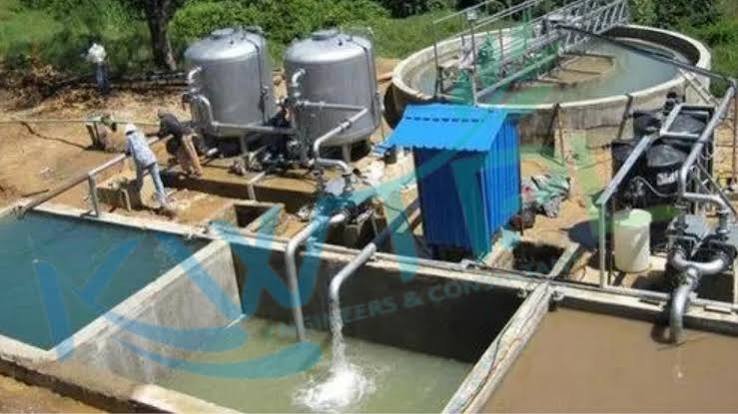
An Effluent Treatment Plant (ETP) is a wastewater treatment system designed to treat industrial effluent generated from various manufacturing and production processes. It removes pollutants such as suspended solids, organic matter, oil and grease, chemicals, color, dissolved contaminants, and other harmful substances before the treated water is discharged or reused.
An ETP typically uses a combination of physical, chemical, and biological treatment processes. The treatment process may include screening, equalization, pH correction, coagulation and flocculation, clarification, biological treatment, filtration, and disinfection. Advanced technologies such as UF, RO, and other membrane systems can be added when high-quality treated water or water reuse is required.
The main benefits of an ETP include reducing industrial pollution, improving wastewater quality, protecting natural water resources, supporting regulatory compliance, reducing freshwater consumption, and enabling treated-water reuse. Proper wastewater treatment also helps industries improve overall environmental performance and move toward more sustainable operations.
ETPs are widely used in industries such as textile, pharmaceutical, chemical, food and beverage, dairy, automobile, engineering, paper, metal processing, and manufacturing. The treatment system is selected according to the type, quantity, and characteristics of the industrial effluent.
- What is an Effluent Treatment Plant (ETP)?
- Why is an ETP Important?
- How Does an ETP Work?
- ETP Treatment Process
- ETP Technologies
- Benefits and Industrial Applications of ETP
- FAQs About ETP Systems
Quick Fact
Effluent Treatment Plants (ETPs) help industries effectively treat wastewater, reduce harmful pollutants, improve water quality, enable water reuse, protect the environment, and support sustainable industrial water management.
1. What is an Effluent Treatment Plant (ETP)?
An Effluent Treatment Plant (ETP) is a specialized wastewater treatment system designed to treat industrial effluent generated from manufacturing and production processes. Industrial wastewater may contain suspended solids, organic matter, oil and grease, chemicals, heavy metals, color, dissolved salts, and other pollutants. An ETP is designed to reduce these contaminants and produce treated water that meets the required quality for safe discharge or suitable reuse.
The treatment process depends on the type and characteristics of the industrial effluent. An ETP may combine physical, chemical, biological, and advanced membrane treatment processes to achieve the desired water quality. Properly designed ETP systems help industries manage wastewater efficiently while reducing their impact on the environment.
ETPs are commonly used in textile, pharmaceutical, chemical, food and beverage, dairy, automobile, paper, metal processing, engineering, and manufacturing industries. Advanced systems can also be integrated with UF, RO, MBR, water recycling, and ZLD technologies to maximize water recovery and minimize wastewater discharge.
2. Why is an ETP Important?
An ETP is important because untreated industrial wastewater can contain pollutants that may adversely affect soil, groundwater, rivers, lakes, and surrounding ecosystems. Proper treatment reduces the pollutant load before wastewater is discharged or reused.
ETPs also help industries maintain consistent wastewater quality and support compliance with applicable environmental and discharge requirements. Effective treatment can reduce suspended solids, organic pollution, chemicals, oil and grease, color, and other contaminants depending on the treatment process.
Another major advantage is water conservation. With additional treatment, a portion of treated effluent can potentially be recycled for applications such as process water, cooling, washing, gardening, or other suitable non-potable uses. This reduces dependence on freshwater and supports sustainable industrial water management.
3. How Does an ETP Work?
An ETP works through a series of treatment stages that progressively remove different types of contaminants from industrial wastewater. The exact configuration depends on the effluent characteristics, flow rate, pollutant load, required treated-water quality, and reuse or discharge requirements.
Main Stages:
Screening: Removes large materials such as plastics, fibers, debris, and other solids.
Equalization: Balances variations in flow, pH, temperature, and pollutant concentration to provide a more consistent feed to subsequent treatment stages.
Chemical Treatment: Processes such as coagulation, flocculation, and pH adjustment help remove suspended and chemically treatable contaminants.
Biological Treatment: Microorganisms break down biodegradable organic matter and reduce the organic pollution load.
Clarification: Allows treated solids and biological sludge to settle and separate from the liquid.
Filtration: Sand, multimedia, activated carbon, UF, or other filtration systems may be used to further improve water quality.
Advanced Treatment: RO or other membrane technologies can be added when high-quality water or water reuse is required.
4. ETP Treatment Process
The ETP treatment process generally consists of pre-treatment, primary treatment, secondary biological treatment, tertiary treatment, and advanced treatment, depending on the industrial application.
1. Pre-Treatment
The wastewater first passes through screens and other preliminary equipment to remove large solids and debris. This protects pumps, pipelines, valves, and downstream treatment equipment.
2. Equalization
An equalization tank helps balance fluctuations in wastewater flow and pollutant concentration. It provides a more stable feed to the treatment system and can improve overall process control.
3. pH Adjustment
Industrial wastewater may have highly acidic or alkaline characteristics. Chemical dosing systems are used to adjust the pH to a suitable range for subsequent chemical and biological treatment.
4. Coagulation & Flocculation
Coagulants and flocculants help destabilize and combine fine particles into larger flocs, making them easier to separate through clarification.
5. Primary Clarification
The formed solids settle in a clarifier or similar separation system. The settled material is collected as sludge for further treatment.
6. Biological Treatment
Biological treatment uses microorganisms to reduce biodegradable organic matter. Depending on the application, technologies such as MBBR, SBR, activated sludge, or MBR may be used.
7. Secondary Clarification
Biological solids are separated from treated water through settling or membrane separation, depending on the system configuration.
8. Tertiary Filtration
Additional filtration can improve treated-water quality by reducing remaining suspended solids, turbidity, color, or specific contaminants.
9. RO / Advanced Treatment
Where high-quality water is required for reuse, UF, RO, ion exchange, or other advanced technologies can be integrated into the ETP.
10. Disinfection
UV, ozone, or chlorination may be used where microbial control is required.
11. Sludge Management
Sludge generated during treatment is thickened, dewatered, dried, or otherwise managed according to its characteristics and applicable disposal requirements.
5. ETP Technologies
Modern ETP systems use different technologies depending on wastewater characteristics and treatment objectives.
MBBR – Moving Bed Biofilm Reactor
MBBR uses specialized media carriers on which microorganisms grow. It provides efficient biological treatment in a relatively compact system.
SBR – Sequential Batch Reactor
SBR performs biological treatment and settling in batches within a controlled sequence. It is useful where wastewater flow and loading conditions vary.
MBR – Membrane Bioreactor
MBR combines biological treatment with membrane filtration to produce high-quality treated water with very low suspended solids, making it suitable for water reuse applications.
UF – Ultrafiltration
UF membranes remove fine suspended solids, colloids, bacteria, and other particulate contaminants and are often used before RO.
RO – Reverse Osmosis
RO reduces TDS, dissolved salts, and many dissolved contaminants, making it useful when high-quality treated water is required.
Activated Carbon Filtration
Activated carbon can help reduce color, odor, chlorine, and certain organic compounds.
Chemical Treatment
Coagulation, flocculation, oxidation, neutralization, and chemical precipitation can be used to remove specific contaminants.
ZLD – Zero Liquid Discharge
ZLD systems combine advanced treatment, concentration, and water recovery processes to maximize water recovery and minimize liquid wastewater discharge.
Automation & SCADA
PLC, SCADA, online sensors, alarms, and data monitoring help operators monitor plant performance and control important parameters.
6. Benefits and Industrial Applications of ETP
concentration, and required treated-water qualitThe treatment process is customized according to the industry type, wastewater characteristics, flow rate, pollutanty.
Benefits of ETP
An effectively designed ETP provides several environmental and operational benefits:
- Reduces industrial water pollution
- Improves treated-water quality
- Reduces harmful pollutant discharge
- Supports environmental compliance
- Enables wastewater recycling and reuse
- Reduces freshwater consumption
- Protects natural water resources
- Improves overall wastewater management
- Supports sustainable industrial operations
- Can reduce long-term water and disposal costs
Industrial Applications
ETPs are widely used in:
- Textile & Dyeing Industries
- Pharmaceutical Industries
- Chemical Industries
- Food & Beverage Industries
- Dairy Industries
- Paper & Pulp Industries
- Automobile Industries
- Metal & Surface Treatment Industries
- Engineering & Manufacturing Industries
- Electronics Industries
- Leather Industries
- Hotels and Commercial Facilities
7. FAQs About ETP Systems
1. What is an ETP?
ETP stands for Effluent Treatment Plant. It is designed to treat industrial wastewater before discharge or reuse.
2. What pollutants does an ETP remove?
Depending on the system, an ETP can reduce suspended solids, organic matter, oil and grease, chemicals, color, heavy metals, dissolved contaminants, and microorganisms.
3. What is the difference between STP and ETP?
An STP primarily treats domestic sewage, while an ETP is designed to treat industrial wastewater whose characteristics can vary significantly depending on the manufacturing process.
4. Can ETP-treated water be reused?
Yes. With appropriate additional treatment, treated effluent can potentially be reused for cooling, washing, process applications, gardening, or other suitable non-potable uses.
5. What technologies are commonly used in ETPs?
Common technologies include MBBR, SBR, MBR, coagulation-flocculation, clarification, activated carbon, UF, RO, and ZLD, depending on the treatment requirements.
6. Why is equalization important in an ETP?
Equalization helps balance variations in flow, pH, pollutant concentration, and wastewater characteristics, resulting in a more stable treatment process.
7. What happens to sludge generated by an ETP?
Sludge may be thickened, dewatered, dried, treated, and disposed of or further managed according to its characteristics and applicable requirements.
8. How often should an ETP be maintained?
Maintenance frequency depends on the plant design, equipment, wastewater characteristics, operating hours, and manufacturer recommendations. Regular inspections and preventive maintenance are essential.
9. Can an ETP reduce freshwater consumption?
Yes. When treated effluent is further treated and reused, an ETP can help reduce freshwater consumption and improve overall water recovery.
10. How is the right ETP designed?
ETP design should be based on wastewater analysis, flow rate, pollutant load, required treated-water quality, discharge/reuse requirements, available space, and operating conditions.
Build a Better Future with Smarter Effluent Treatment Solutions
Discover smart and sustainable ETP solutions designed to effectively treat industrial wastewater, reduce pollutants, improve treated-water quality, enable water reuse, minimize environmental impact, and support efficient and compliant industrial wastewater management.